US to remove South Africa, Rwanda from AGOA duty-free trade program by 2027
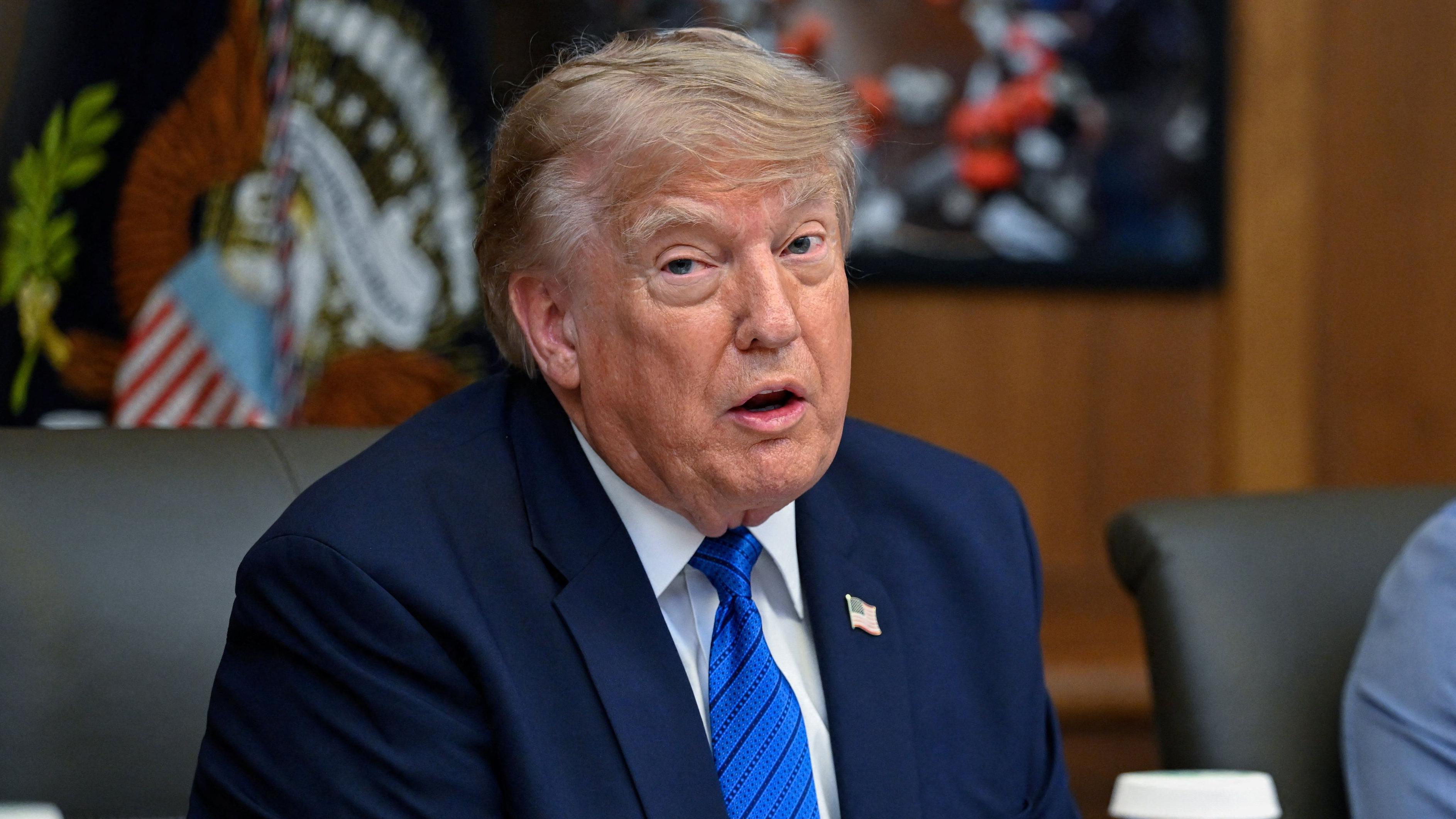
The United States will end duty-free trade benefits for South Africa and Rwanda under the African Growth and Opportunity Act (AGOA) effective January 1, 2027, following an annual eligibility review. President Donald Trump notified Congress and both governments that the countries no longer meet program requirements.
For South Africa, the US cited alleged barriers to American trade and investment, corruption concerns, national security issues, and restrictions on agricultural market access, investment protections, and intellectual property. South Africa's AGOA exports have already dropped sharply from $4 billion in 2024 to approximately $1.7 billion in 2025. Trade Minister Parks Tau called the decision "unfortunate" and said the government will intensify export market diversification to protect jobs.
For Rwanda, the US raised concerns over human rights, political pluralism, rule of law, and workers' rights. This follows recent US sanctions on Rwanda's Defence Ministry over alleged support for M23 rebels in eastern DRC—allegations Kigali denies. Rwanda's exports to the US actually increased from $13.1 million in 2024 to $43.3 million in 2025.
AGOA, established in 2000, grants eligible sub-Saharan African countries duty-free access to the US market for thousands of products. The program requires commitments to economic reforms, rule of law, political pluralism, and human rights protections.
With Nigeria also an AGOA beneficiary, this move signals the US will enforce eligibility criteria rigorously. Nigerian policymakers and exporters should review compliance gaps now—especially on trade barriers, intellectual property, and labor standards—to avoid a similar exit. The 2027 deadline allows time for corrective negotiations, but the precedent is clear: AGOA access is conditional, not guaranteed.
Will Nigeria use this two-year window to lock in reforms, or wait until the review puts duty-free access at risk?