WHO urges Africa to boost hepatitis services amid Nigeria's high burden
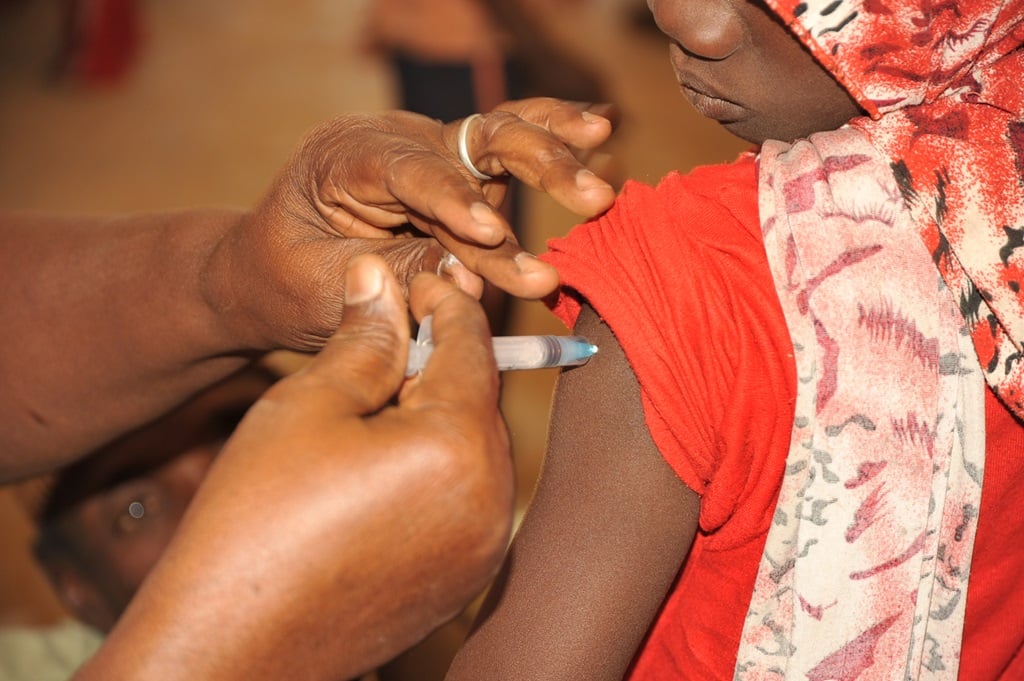
WHO’s Regional Director for Africa, Mohamed Janabi, urged governments to strengthen hepatitis programmes ahead of World Hepatitis Day on July 28, noting that while new hepatitis B infections fell 25% between 2015 and 2024, millions still lack testing, treatment and vaccination. He warned that late diagnosis and limited access to care cause preventable deaths, even though effective vaccines, diagnostics and treatments exist. In Nigeria, over 20 million people live with hepatitis B or C, yet more than 80% are unaware of their status, according to WHO estimates and the 2018 NAIIS survey showing 8.1% hepatitis B and 1.1% hepatitis C prevalence among adults aged 15‑64. Across the WHO African Region, more than 90 million people live with viral hepatitis, accounting for about 26% of the global burden. Janabi called for integrating hepatitis services into primary healthcare, expanding birth‑dose vaccination, sustaining political commitment and financing, and urged development partners to maintain support toward the 2030 elimination goal. World Hepatitis Day’s theme this year, “Hepatitis: Let’s break it down,” highlights the need to remove financial, social and systemic barriers to care.